Sleep Apnea Treatment in Henderson, NV | Bloom Dental Co.
Sleep Apnea Treatment in Henderson, NV
Sleep apnea isn't just snoring. It's your airway partially collapsing dozens, sometimes hundreds, of times a night, pulling your brain out of deep, restorative sleep each time it happens. You usually never feel it consciously, but your body keeps score: elevated blood pressure, increased cardiac risk, metabolic disruption, and a kind of exhaustion that no amount of coffee actually fixes.
For mild-to-moderate cases, oral appliance therapy is a clinically validated alternative to CPAP and the one most people actually stick with. Dr. Torres custom-fits a mandibular repositioning device that holds your lower jaw slightly forward during sleep, keeping the airway open without a mask, a hose, or a machine on your nightstand. The goal is straightforward: waking up feeling like you actually slept.
Give us a call at (702) 760-1980 to talk it through, or read on for more.
Key Takeaways
- Oral appliance therapy is a clinically validated, dentist-provided treatment for mild-to-moderate sleep apnea, and worth considering if CPAP hasn't worked for you.
- We offer convenient at-home sleep testing in our office, allowing you to complete your sleep study from the comfort of your own bed. Your results are reviewed and interpreted by a sleep physician to help identify sleep-related breathing disorders and determine the appropriate next steps.
- Custom fabrication matters. A properly fitted appliance performs differently than anything over-the-counter.
- Unlike CPAP therapy, a custom oral appliance does not require machines, ongoing supply replacements, or routine equipment maintenance, making your custom appliance a simple, long-term treatment option.
- Your consultation in Henderson is the right starting point, whether you have your sleep study in hand or are still figuring out next steps.
How Oral Appliance Therapy Works
With sleep apnea, the soft tissue at the back of your throat relaxes during sleep and partially blocks your airway. Your body senses it, wakes up just enough to reopen things, and then the whole cycle starts over, all night long. An oral appliance interrupts that cycle by holding your lower jaw slightly forward while you sleep, helping keep the airway open so your body can rest.
Here's how the process typically goes at our office. You'll start with a conversation with Dr. Torres covering your symptoms, and what your nights have actually been like. If you don't already have a sleep study, we can send you home with one to complete before your consultation. This allows a sleep physician to review the results and determine whether a sleep-related breathing disorder is present and what the appropriate next steps may be.
If an appliance makes sense, we take a digital scan of your mouth so the device is built specifically for your bite, not a generic size.
When it comes back from the lab, you'll come in for a fitting where we check the position, verify your bite, and make sure you leave feeling confident using it. From there, we fine-tune the jaw position gradually over the following weeks based on how you're sleeping and how your jaw feels, and we stay in touch with your physician throughout so your care stays coordinated.
What Sleep Apnea Treatment Can Do for You
The point of any of this isn't the device itself. It's what your life looks like on the other side of actually sleeping well.
- Actual rest. When your airway stays open through the night, your body stops waking itself up to catch a breath, and mornings start feeling genuinely different.
- A quieter bedroom. Snoring often drops noticeably, and that tends to be the change your partner notices before you do.
- Something that fits your life. The appliance is small and silent, needs no power or hoses, and slips easily into a bag when you travel.
- Better days. Sharper focus, a steadier mood, and less of that mid-afternoon crash you've been relying on coffee to push through.
- Support for your overall health. Untreated sleep apnea puts chronic stress on your cardiovascular system, and treating it is one of the more meaningful things you can do for your long-term health.
Who This Is Right For
Oral appliance therapy is a strong fit if a sleep study has confirmed mild-to-moderate sleep apnea, or if you've been prescribed CPAP and genuinely can't tolerate it. On the physical side, you'll need enough healthy teeth to anchor the appliance and a jaw joint that can comfortably hold a slightly forward position through the night. If active gum disease, missing teeth, or significant jaw pain are in the picture, we'd address those first. Not a no, just the right order of operations.
If your apnea is severe, CPAP is typically the more effective route and we'll tell you that honestly. And if you haven't had a sleep study yet, that's where things need to start. We need a confirmed diagnosis before we can map out the best path forward.
Your Sleep Apnea Treatment Timeline
Your consultation and scan usually happen in the same visit, and the lab typically takes a few weeks to build your appliance from there. The fitting appointment runs under an hour. You'll leave with the device in hand and a clear sense of what the first few nights should feel like.
Most people notice a short adjustment period: a little extra saliva, a slightly different feeling in your bite, or mild jaw soreness that settles within a couple of weeks. Follow-up visits let us fine-tune the fit as you go, and your physician may suggest a follow-up sleep study at the one-to-three month mark to confirm the appliance is doing what it should.
Getting Ready and Caring for Your Appliance
Bring you sleep study report to your consultation or let our team know if you need to complete a sleep study. A list of any medications you're taking is also essential, along with some honest notes on what your nights have been like. If your partner has noticed anything about your snoring or breathing, that's useful information too.
Once you have your appliance, care is straightforward. Brush it gently with a soft toothbrush and cool water each morning, let it air dry, and store it in its case. Avoid hot water and harsh cleaners, which can warp the material.
Bring it to your regular cleanings so we can check the fit, and let us know if your jaw feels sore or your bite feels off, and a small adjustment usually takes care of it. Feel free to get to know Dr. Torres before you come in, and bring every question you have.
Cost and Payment Related to Sleep Apnea in Henderson
The cost of oral appliance therapy depends on the appliance your situation calls for and the follow-up care needed to fit and adjust it properly. Because we do not bill medical insurance for sleep apnea treatment, oral appliance therapy is an out-of-pocket investment at our office. We'll review the treatment and associated costs with you before moving forward, so you know what to expect.
Unlike CPAP therapy, a custom oral appliance does not require a machine, ongoing supply replacements, or routine equipment maintenance. Once your appliance is made and properly fitted, ongoing care generally involves periodic dental visits to monitor its fit, condition, and effectiveness.
For people who prefer to spread out the cost, we offer a membership plan and financing through Cherry.
Why Families in Henderson Choose Bloom Dental Co.
Dr. Toni Torres, DMD, grew up here in Henderson, went to Green Valley High School, and earned both her undergraduate degree and her doctorate in dental medicine at UNLV. The people she treats are her neighbors, and she genuinely hopes to watch their families grow up in this practice.
- We work with your medical team, not around it. Your physician stays in the loop so your appliance fits into your overall care.
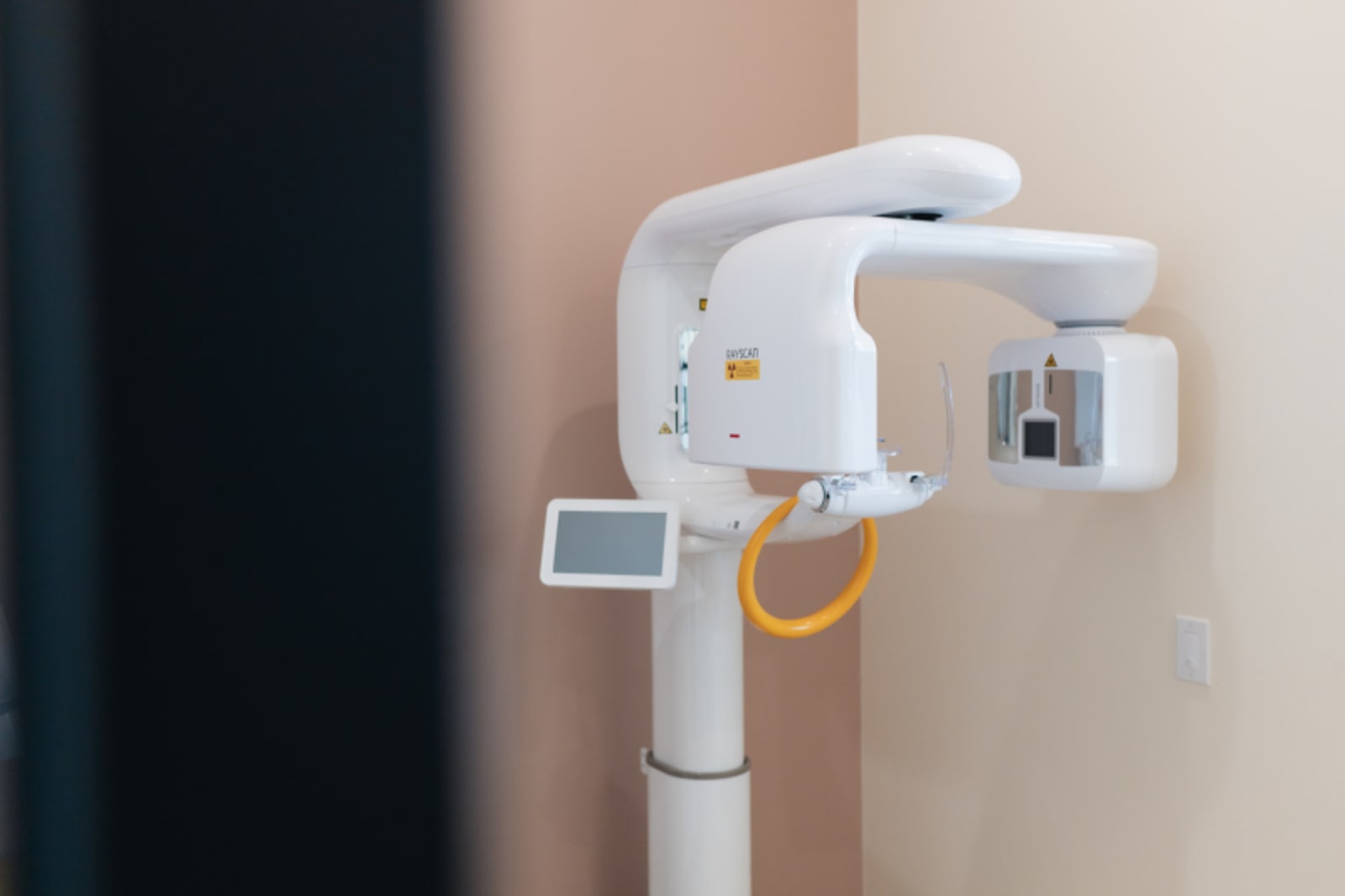
- The technology is genuinely good. Digital scanning, cone beam imaging, and intraoral cameras let us show you exactly what we're seeing.
- The office doesn't feel like a dental office. We designed it to calm your senses the moment you walk in.
- Nobody rushes you. Real change in how you feel about the dentist takes real conversation, and Dr. Torres makes time for it.
Frequently Asked Questions
Do I need a sleep study before I can get an oral appliance?
Yes. A sleep study confirms the diagnosis, tells us how severe the apnea is, and is usually required for insurance coverage. If you haven't had one yet, we have a convenient at home sleep test you can rent from our office.
How is an oral appliance different from CPAP?
CPAP uses pressurized air through a mask to hold your airway open. An oral appliance holds your lower jaw slightly forward to prevent collapse, no machine required. For mild-to-moderate apnea, an appliance often wins on consistency, and the treatment you actually wear is the one that helps.
Can't I just buy a snoring mouthpiece online?
Over-the-counter devices aren't fitted to your bite and can't be adjusted. A poor fit can strain your jaw joint or shift your teeth over time, and quieting snoring doesn't mean the apnea is being treated. That's why Dr. Torres measures, fits, and refines each appliance in person.
Will it change my bite?
Minor morning bite changes are common early on and usually resolve once you remove the appliance. Dr. Torres will fabricate a custom bite appliance to help your jaw settle after a night of wearing your sleep appliance. Longer-term shifts are possible, which is why we check your bite at follow-up visits and regular cleanings. Caught early, it's simple to correct.
Will it be uncomfortable to sleep in?
Most people describe it as feeling bulky at first before they stop noticing it. If it's still bothering you after a couple of weeks, let us know. It usually just needs a small adjustment.
Can I still use CPAP some nights?
Some people keep CPAP at home and use an appliance when they travel. If that appeals to you, bring it up with your physician and with us so we can make sure the approach works on both ends.
Let's Get You Sleeping Better
If you've read this far, some part of you already suspects the exhaustion isn't just a busy season. Coming in doesn't commit you to anything.
We'll listen, look, and tell you honestly whether an oral appliance is the right next step or whether that step belongs with your physician.
Whenever you're ready, give us a call at (702) 760-1980 or read more about Dr. Torres before you come in. We'd love to meet you.
More Information Coming Soon...

Connect
Call 702-760-1980 or request an appointment online to set up your first visit. We’ll be in touch soon.