
Dental Implants in Henderson, NV
If you've been quietly working around a missing tooth, chewing on the other side, or turning your head just a little in photos, you're not alone. A dental implant is the closest thing to getting your natural tooth back: a small titanium post replaces the root, a custom crown goes on top, and the result is a tooth that bites, looks, and feels like the real thing.
Dr. Toni Torres and the team at Bloom Dental Co. handle the whole process right here in Henderson, and if you're wondering whether an implant is the right move for you, give us a call at (702) 760-1980 and we'll start with a conversation.
Key Takeaways
- There may be a step or two before placement. An extraction, gum disease treatment, or bone grafting might need to happen first, and we will walk you through exactly what applies to you.
- Plan for months, not weeks. Most of that time is your body healing, which is what makes an implant so solid and long-lasting in the end.
- It is worth checking your insurance before your visit. Coverage varies a lot from plan to plan, and we are happy to help you sort through your benefits at your consultation.
- You will have the same team with you the whole way. From the first scan to the final crown, everything happens right here in Henderson with the same people you already know.
How a Dental Implant Actually Works
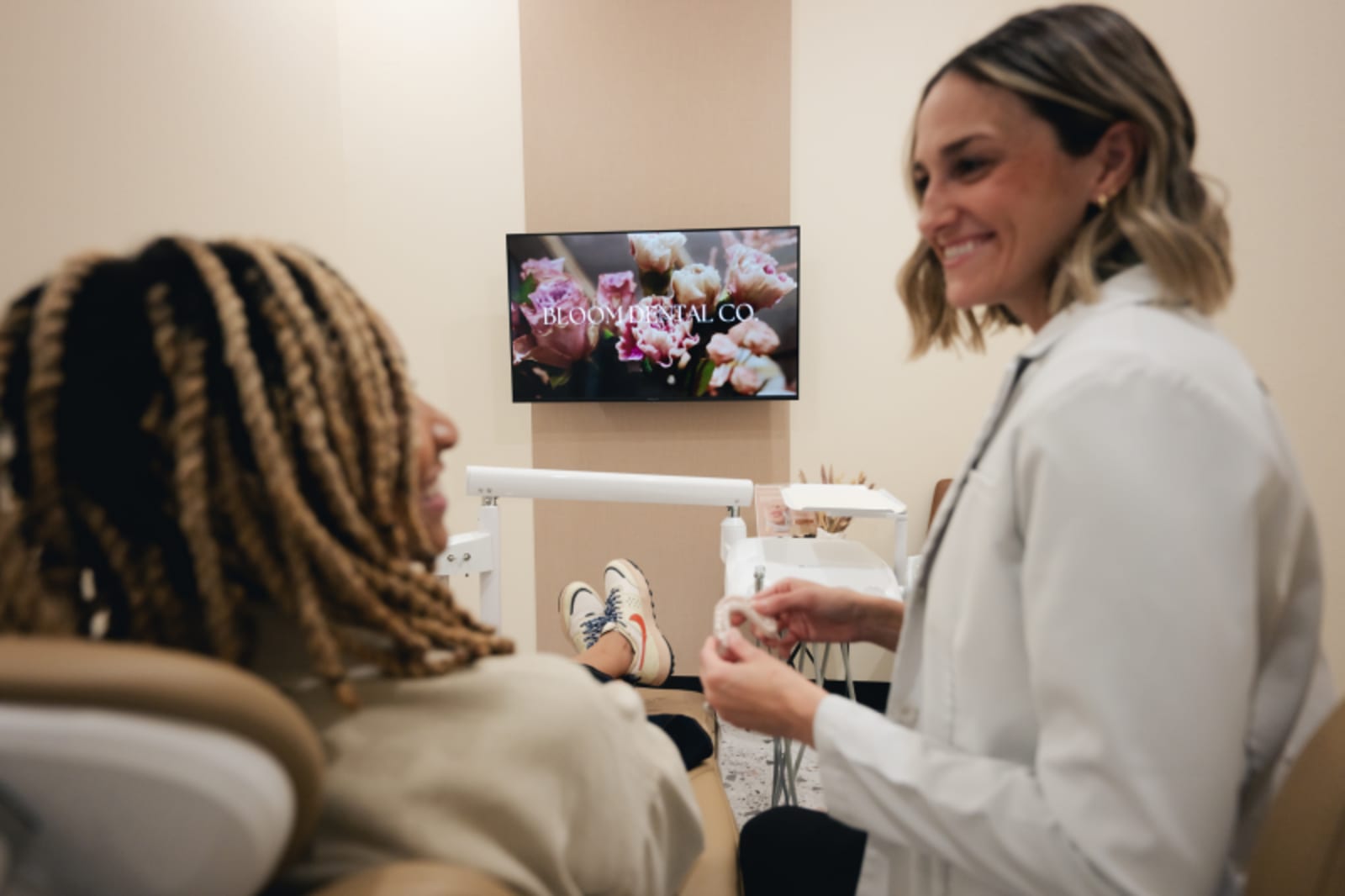
An implant goes in over several steps, and once you understand the sequence, most of the mystery goes away.
1. Consultation and 3D imaging
We start with an exam and an intraoral camera tour so you can see exactly what we're looking at. A cone beam scan then gives us a 3D picture of your bone, nerve position, and the ideal placement site.
2. Any prep work, if you need it
If the tooth can't be saved, it comes out first. Active gum disease gets treated before we move forward, and if the bone is thin, a graft holds space so your own cells can grow in and build up the support the post needs.
3. Placing the post
The area is numbed before anything happens. The post is placed into the jawbone where the root used to be, and most people describe it as pressure more than pain.
4. Healing, also called osseointegration
This is the long stretch, usually a few months, and it's where the real work happens. Your bone grows in around the post and locks it in place. There's nothing for you to do except eat normally, keep things clean, and let your body do its thing.
5. Abutment and final crown
Once the post is solid, we attach the small connector piece and seat your crown, shaped and shaded to match the teeth around it.
What You Get Out of Dental Implants
- You can eat like yourself again. Because an implant is anchored directly into the bone, things like steak, apples, and corn on the cob stop being something you have to think about.
- It protects your jawbone and your surrounding teeth. Once a root is gone, the bone in that area gradually starts to shrink. An implant keeps that space active and healthy. It also stands completely on its own, so the teeth on either side never need to be reshaped to support it.
- It stays in, all the time. No adhesive, no soaking cup, no taking anything out at night. You brush and floss it just like the rest of your teeth.
- It looks real and it's built to last. The crown is shaped and shaded to match the teeth around it, and with our same-day crown technology, the fit is precise. Most people won't be able to tell which one it is. With good home care and regular cleanings, the post itself can last decades.
Who Implants Suit, and Who Should Wait
Most adults missing one or more teeth are good candidates to at least have the conversation. Whether the path is straightforward or needs a little groundwork first usually comes down to a few things:
- Enough jawbone to hold the post in place
- Gums that are healthy, or gum disease that has been treated and is under control
- Overall health that supports healing, including conditions like diabetes that are well managed
- An honest look at smoking habits, since smoking slows healing and can affect whether an implant takes
It's also worth knowing that bone loss doesn't automatically take implants off the table. Plenty of people who were told no years ago are actually candidates today, so it's always worth asking even if you've heard that before. And if the timing or finances aren't quite there yet, a bridge or partial denture can be a solid option in the meantime. Dr. Torres will walk you through every option so you leave with a clear picture of where you stand.
Your Timeline For Dental Implants
Every case is a little different, but most follow a path that looks something like this:
- Visit one: exam, cone beam scan, a treatment plan, and a written cost estimate so you know exactly what to expect.
- Prep, if needed: if a tooth needs to come out or the bone needs some building up first, that happens here, followed by roughly three to six months of healing before we move forward.
- Placement day: for a single implant, this is typically just one appointment.
- Healing around the implant: usually three to six months while the bone grows in around the post and locks it in place. We check in with you along the way.
- Restoration: the abutment and final crown go on in two shorter visits a few weeks apart, and then you're done.
If the gap is somewhere visible, we'll talk about a temporary option to carry you through comfortably.
Getting Ready For Treatment, and Caring for It Afterwards
Before your placement day, eat a normal meal, take any prescribed medication as directed, and arrange a ride home if you're having sedation. Plan to take it easy that evening. The first few days usually bring some soreness and swelling that peaks around day two or three and eases from there.
Over-the-counter pain relief handles it well for most people. Stick to soft foods for about a week, keep the area gently clean, skip the straws, and hold off on smoking while you're healing.
If pain or swelling gets worse after those first few days instead of better, or if you run a fever, just give us a call. A quick conversation is usually all it takes to figure out what's normal and what needs a closer look.
Long term, caring for an implant is no different from caring for the rest of your mouth. Brush, floss around it, and come see us for regular cleanings. Implants can't get cavities, but the gum and bone around them do need attention, and we keep an eye on that at every visit. If you clench or grind your teeth, let us know, because that's the most common reason a crown wears out sooner than it should, and it's very manageable once we're aware of it.
Cost and Payment For Dental Implants
Implants cost more upfront than a bridge or a partial because you're replacing the root itself, not just the visible tooth. The post is built to last for decades, which makes it a different kind of investment. What your case actually costs depends on how many implants you need, whether an extraction or bone grafting is part of the plan, and what kind of restoration goes on top.
Because those details are different for everyone, we give you a clear, itemized written estimate at your consultation after the exam and scan, so you know exactly what you're looking at before you decide anything.
Insurance coverage for implants can be hit or miss, but many plans help with related steps like an extraction or the crown. For patients without insurance, we offer financing and a membership plan to spread the cost out over time. We'll walk through all of it with you at your consultation.
How Implants Compare to a Bridge or a Denture
All three options replace missing teeth and all three are legitimate choices. They just work differently, and the right one depends on your situation.
Implant
An implant is the only option that replaces the root itself, which is what keeps the jawbone active. Without it, the bone in that area gradually shrinks. An implant prevents that. It comes with the highest upfront cost and the longest timeline, but it's also the most complete solution.
Bridge
A bridge is faster and less expensive, usually finished in a couple of visits. The healthy teeth on either side of the gap do need to be reshaped so the bridge can attach to them, and the bone under the gap will continue to thin over time since there's no root holding that space. We use same-day crown technology to make sure the fit is as precise as possible.
Denture or partial
A denture or partial is the most affordable path and can replace several teeth at once. It rests on the gums and comes out at night, and like a bridge, it doesn't stop bone loss in the jaw. It's also worth knowing that implants can be used to anchor a denture so it stays firmly in place instead of shifting. Whichever direction you're leaning, healthy gums matter for all three options, so if you've noticed any bleeding or soreness, that's usually the first thing we take care of.
Why Henderson Families Choose Bloom Dental Co.
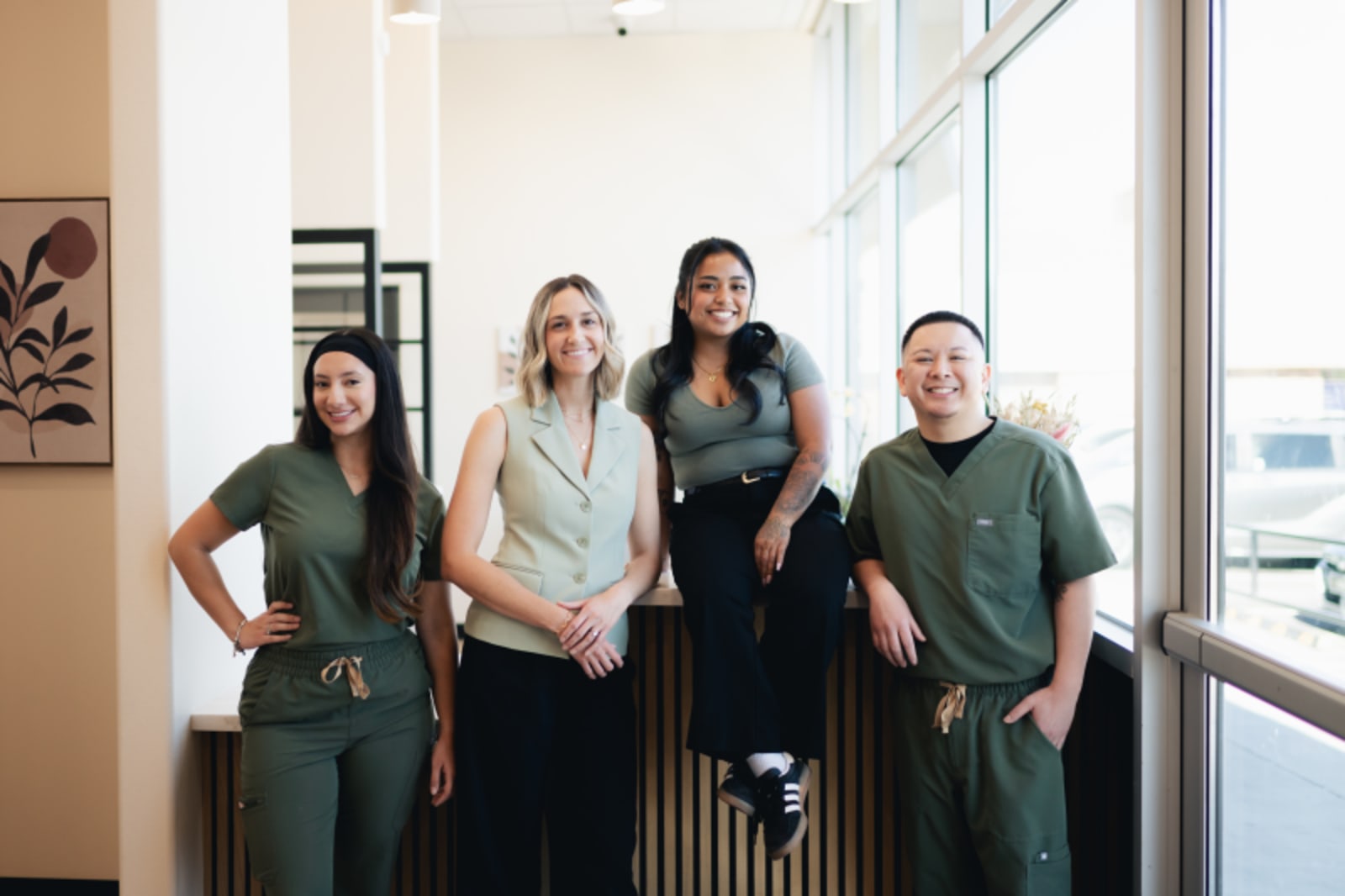
Dr. Torres grew up in Henderson, trained at UNLV, and has been practicing in the Las Vegas area since 2018. She built this office around the idea that dentistry should feel welcoming, and that same care carries through every step of implant treatment here.
- Cone beam 3D imaging and an intraoral camera, so your implant placement is mapped out precisely before anything happens, and you can see exactly what we're looking at on the screen alongside us.
- CEREC same-day crowns made right here in the office, rather than sent off to an outside lab, which means fewer appointments and less time in a temporary crown.
- A Gemini laser for gum tissue work, which tends to mean less bleeding and a more comfortable recovery when gum disease treatment is part of your plan.
- Everything under one roof, from the first scan to the final crown, with the same team the whole way through.
And beyond the technology, Dr. Torres is genuinely interested in the people she sees. Whether you're coming in for yourself or bringing the whole family, you'll feel that from the start.
Frequently Asked Questions
How long do dental implants last?
The post itself often lasts a lifetime with good home care and regular cleanings. The crown on top takes daily wear and may need replacing eventually, but the foundation underneath is built to go the distance.
Does getting a dental implant hurt?
Most people are surprised by how manageable it is. The area is numbed completely before we begin, so placement tends to feel more like pressure than pain, and any soreness afterward usually responds well to over-the-counter relief.
Can I get an implant if I've lost bone in my jaw?
Often, yes, even if you've been told no before. A bone graft holds space at the site so your own cells can grow in and build up enough support for the post, which does add a few months to the timeline but opens the door for a lot of people who assumed implants weren't an option. If gum disease contributed to the bone loss, we address that first.
Will my implant look like a real tooth?
That's always the goal. The crown is shaped and shaded to match the teeth right beside it, so it blends into your smile rather than standing out as a repair.
Can I replace several missing teeth with implants?
Yes. A small number of implants can support a bridge across a larger gap, and implants can also anchor a denture so it stays firmly in place. We'll talk through what makes the most sense based on your specific situation.
How soon after losing a tooth should I ask about an implant?
Sooner is generally better, since the bone at that site starts to thin once the root is gone. Waiting doesn't take implants off the table, but it may mean a bone graft becomes part of the plan when you're ready.
Come Sit Down With Us To Discuss Implants Today

If you've been sitting with questions about an implant, that's a completely normal place to be. The first step is just a conversation. You'll come in, we'll take a scan, look at everything together, and talk honestly about what makes sense for you.
You don't have to decide anything that day. Give us a call at (702) 760-1980 or stop by 475 East Bruner Avenue, Suite 120 in Henderson. Dr. Torres and the team would love to meet you.
More Information Coming Soon...

Connect
Call 702-760-1980 or request an appointment online to set up your first visit. We’ll be in touch soon.